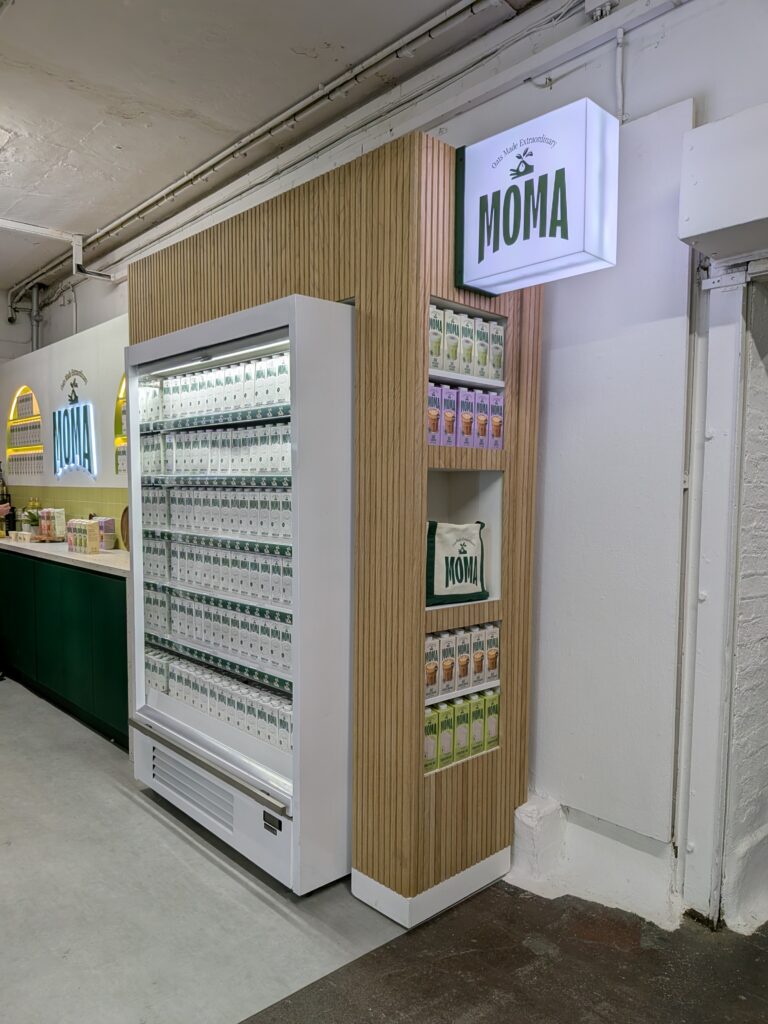
Milk comes with so many questions that many coffee drinkers simply have no idea about. Let’s deep-dive into some cold, creamy chatter about what was happening in the milk work at LCF London 2026.
Cow vs Plant
Everyone is now aware of alternatives to milk that comes from cows when it comes to their everyday choices. For many, it’s a simple choice if you’ve got a vegan diet as cows are a no-go, but what makes people actually make their choice?
First things first. In the UK anything other than milk from animals can no longer be called ‘milk’. The team at Oatly came under the spotlight and recently lost the legal case forcing them, and all other plant based drinks, to no longer describe themselves as milk. However, for the ease of writing this article, I’m going to refer to all of them as milk as I don’t think anyone’s going to really get confused and I can’t think of a better term.

What was amazing to see at LCF ’26 were the number of companies offering milk options – as we know that it’s such a big part of most people’s coffee requirement. The Estate Dairy, who have really nailed the association with coffee culture had a stand that confidently aligned to coffee. It was amazing to see how far they have come in recent years and are a de facto choice as the premium milk in many establishments. It micro-foams beautifully and reliably which always makes me feel comforted when I see it being used.
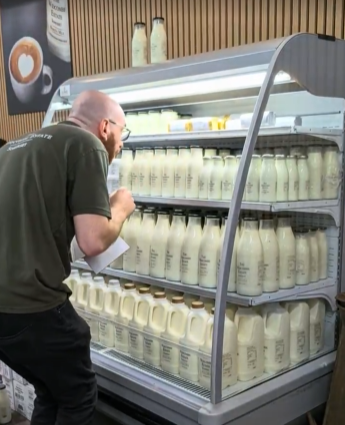
However, they were joined by The Widcombe Estate this year. These guys were new to me and set out an impressive offering with lots of milk on display. Their branding wasn’t jumping a million miles from the typographical design of The Estate Dairy so they’d be easy to think they’re the same from afar. Having spoken to them, Widcombe are an old-school dairy farm looking to diversify into the coffee world. They didn’t have any baristas making drinks so it’s hard to know how their milk works but they were offering an alternative which was good to see.
My personal favourite, Ivy House, weren’t at LCF. Monmouth have been using Ivy House for as long as I can remember. It was the first time I realised that the milk was an integral part of the coffee and something that could vary significantly. In 2026, this sounds pretty obvious but I can assure you that this wasn’t always the way. Working in London and living in East Kent, I used to buy Ivy House to take home as it was so much more enjoyable than supermarket milks.
Then I discovered the dairy farmers uncomfortable truth about male calves.
Obviously, males don’t produce milk so are no use to the dairy industry. They also aren’t bred to be great at turning into beef compared to far more commercial beef breeds. This means that traditionally, the male calves are killed as soon as they’re born. Being a humanitarian, this was something that I found deeply distressing and the vast majority of milk drinkers have absolutely no idea that their flat white might have come from an industry that involves this process.
Ivy House informed me that they use science to ensure that no male calves are born and this was great news! Waitrose told me they put all their male dairy calves into UK-based veal production. Not ideal, but certainly better they had a short but happy life than no life at all. For a while, I referred to myself as a ‘vealetarian’ as I felt obligated to eat the male calves from Waitrose as the by-product of the milk I wanted to drink. This has, and still does, provoke a very interesting response from most people but I now buy milk that I can feel ethically comfortable with.
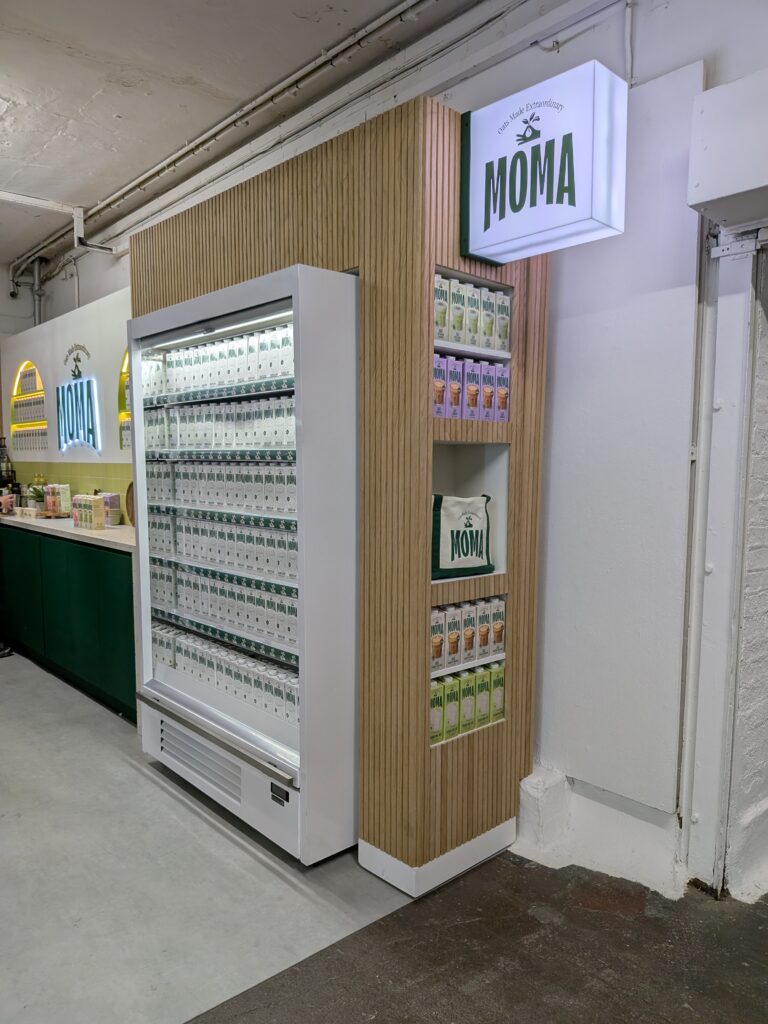
So, onto plant based milks. As Oatly can testify to, they’ve been on quite a journey of saviour and then demon. For many years, they were the beacon of alternative, no-cow milk with their impactful branding and Scandi cool. But then the phrase ‘ultra processed foods’ came into the world and people began to see the oat milk industry as something unnatural. It certainly didn’t stop Oatly having the biggest and most impressive stand in the ‘milk’ sector at LCF ’26. When asked about the controversy the Oatly rep shrugged and said everything’s got a downside and it’s down to consumer choice. This was repeated by pretty much everyone in this sector as whether you’re using cow or plant-based milks, there are reasons to be cheerful and reasons to not. It’s down to personal choice and nothing is without its downsides.
So, what to take from the milk sector at LCF ’26? Pea milks were a new thing for me and it’s not from peas in pods, if you didn’t know. Having tasted it, it’s pretty good but knowing it’s got vegetable oils in it doesn’t make me smile. There’s definitely something slightly sinister about vegetable oils that I can’t escape from. Google the history to discover they originated from an industry making lubricants for industry and the science behind how they’re commercially extracted is pretty grim. It’s fair to say our bodies don’t know what to do with them either – but it comes down to a simple choice… plant-milks that are in the ‘Ultra Processed Foods’ category or cow-milks that involve the farming of animals.
Like any good debate, I could argue for/against both sides confidently. Ultimately, it comes down to individual choice and seeing so many options at LCF ’26 was heartening. Many stands were proudly displaying their plant/cow milk partners so consumers could know in advance what they were going to drink. Whenever there’s more information to make more informed choices, the world is improving and for coffee lovers around the world, this was a great thing to see.
Leave a Reply